


The Toronto real estate market may be changing, but not in the way most headlines suggest. While prices remain soft, the underlying data has been steadily improving. Since January, Months of Inventory (MOI) has been declining while the Sales-to-New-Listings Ratio (SNLR) has been climbing. That suggests the market has been slowly tightening.
The September could be a pivotal month for the GTA housing market, so let's go through the key indicators I’ll be watching to determine whether we’re seeing the beginning of a healthier, more balanced market or just a temporary shift.
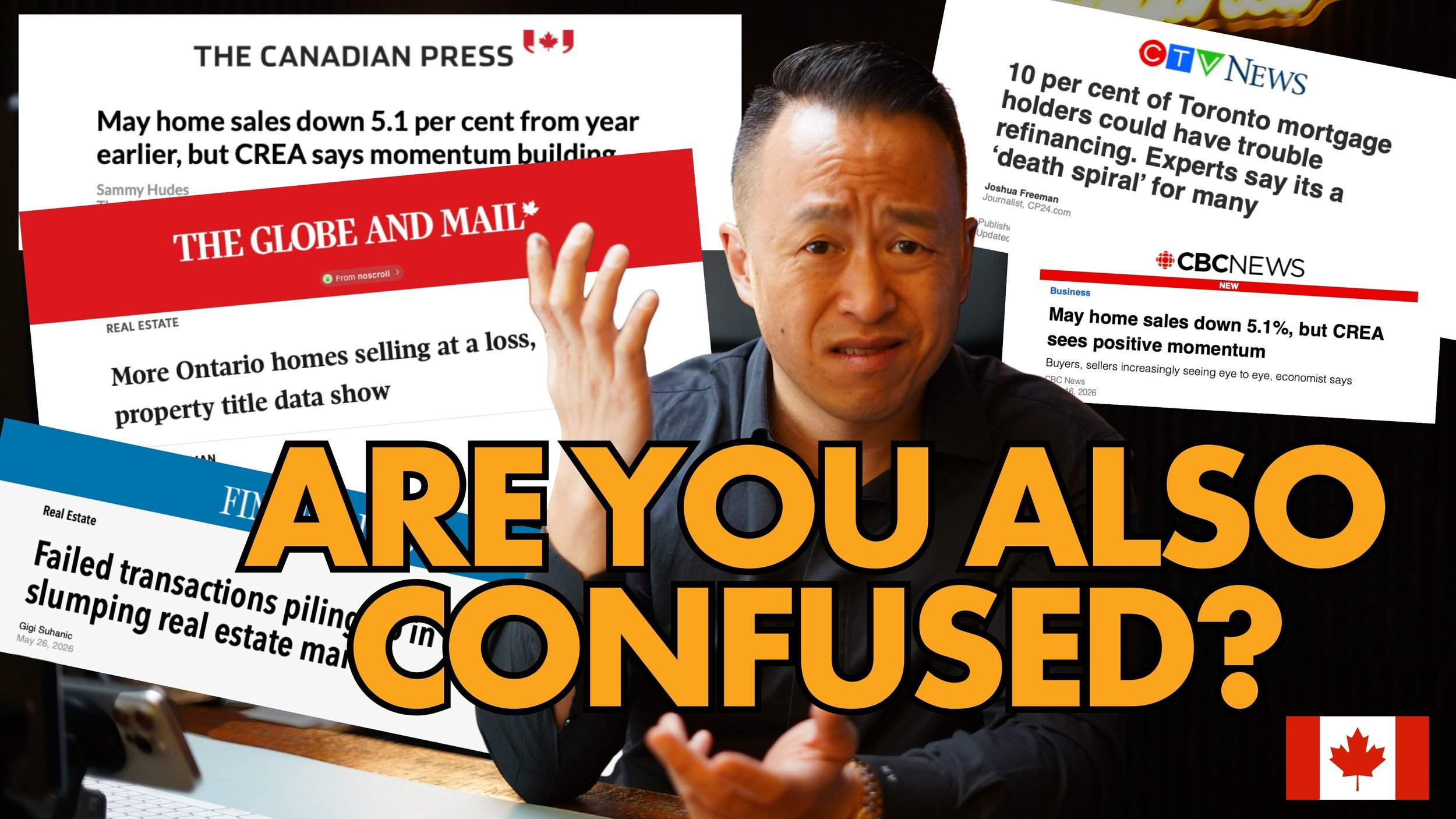
Every day, we’re bombarded with housing headlines: prices are down, inventory is up, construction is slowing, and mortgage renewals are coming. But headlines rarely tell the whole story—and they shouldn’t make your real estate decisions for you.
Let’s walk through a straightforward framework for building your own housing market outlook. The goal isn’t to predict the market perfectly. It’s to understand the factors that matter to your situation, test the assumptions behind the headlines, and make a decision you can live with.
The short answer is: landlording can still make sense—but only when the property and the owner’s plan are right.
A softer rental market and rising costs can make the business look less attractive in the short term. But real estate decisions should be evaluated across the full holding period, including cash flow, financing, maintenance, tenant demand, principal paydown, and long-term appreciation potential.
That doesn’t mean every rental is a good investment, or that every owner should hold on. It means investors need to look past a single month’s rent or one market headline and understand how the pieces fit together.

Finding a deal in Toronto real estate isn’t as simple as it sounds. A lot of buyers think deals are obvious… or that they’ll just show up as a low price. That’s not how it works. The best opportunities are created through strategy, understanding seller situations, and knowing where to look.
In today’s market, there’s more inventory and more choice. But that doesn’t mean everything is a deal. In fact, only the best properties are still selling, and many buyers are either over-negotiating or missing opportunities entirely.
So let's walk through how to actually find good deals in Toronto’s real estate market.
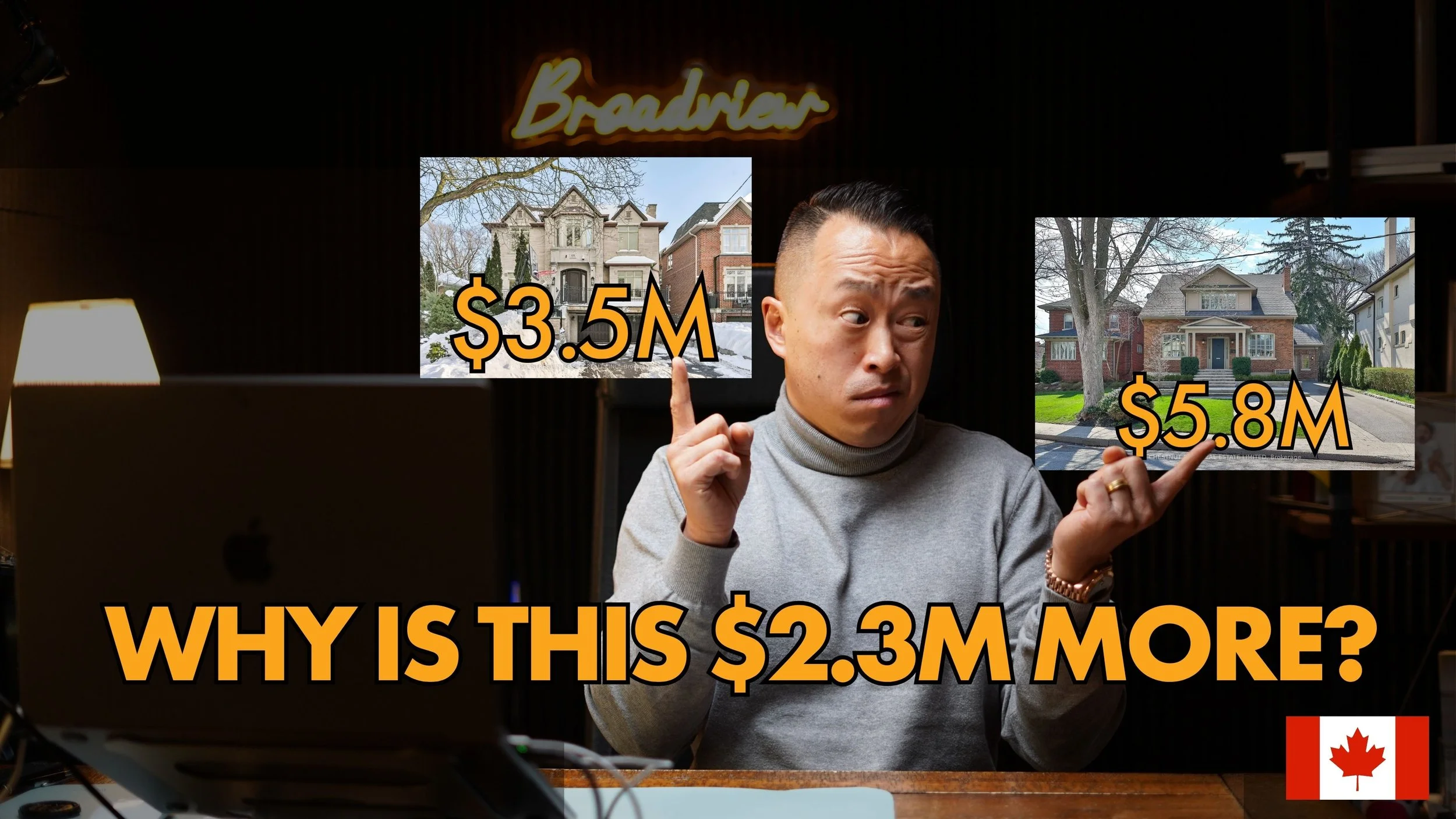
Why does a home in one Toronto neighbourhood cost $2M more than another area, when it's only a 10-minutes drive away? It’s not just schools. It’s not just crime. And it’s definitely not random. Let's look at the real levers that drive neighbourhood pricing.

If you bought a home in the last few years, especially a larger trade-up property, you might be feeling some regret. Did you buy at the wrong time? Did you overpay? Did the market drop? Should you have waited?
Let’s step away from the noise and look at this logically. Let's talk about some ideas that may give you a different perspective.

What year are Toronto real estate prices back to? 2020? 2018? That question sounds simple, but it leads a lot of people in the wrong direction. With so much data floating around and so few actual sales driving the numbers, it’s easy to draw the wrong conclusions from the headlines. Different parts of the market are moving very differently right now, and the answer depends far more on what you’re looking at than most people realize.
Toronto real estate feels uncomfortable right now. Prices have softened, headlines are pessimistic, and a lot of people are questioning whether owning real estate here still makes sense at all. Some are calling this the end of the housing boom. Others think the system is broken beyond repair.
But I don’t see it that way.
I want to walk you through how I’m actually thinking about the Toronto housing market today. Not from a textbook perspective, and not based on short-term predictions, but from lived experience, market cycles, and long-term fundamentals.
Toronto real estate feels uncomfortable right now. Prices have softened, headlines are pessimistic, and a lot of people are questioning whether owning real estate here still makes sense at all. Some are calling this the end of the housing boom. Others think the system is broken beyond repair.
But I don’t see it that way.
I want to walk you through how I’m actually thinking about the Toronto housing market today. Not from a textbook perspective, and not based on short-term predictions, but from lived experience, market cycles, and long-term fundamentals.
In August, the Toronto real estate market looked like it was finally tightening up, but as we look at the preliminary September numbers, I have to admit: I spoke too soon. Sales have dropped nearly 30% compared to last year, and inventory is lingering on the market longer than expected.